

 Home
Home



50 Years After the TAZARA Railway, Shodailer Carries Forward China-Africa Ties Across Tanzania, Zambia and Kenya
On July 14, 1976, the Tanzania-Zambia Railway (TAZARA) — a 1,860-kilometer line built entirely with Chinese assistance, connecting landlocked Zambia to the port of Dar es Salaam — officially opened, becoming one of the most enduring symbols of China-Africa cooperation. Fifty years later, that same corridor between Tanzania and Zambia remains a vital artery for regional trade, and Shandong Shodailer Automobile Manufacturing Co., Ltd. ("Shodailer") is proud to be part of the generation of Chinese enterprises continuing to serve the logistics and transport needs of the communities that railway first connected.
TAZARA broke the transport isolation of landlocked Southern and East African economies, opening a path for resource and goods movement between the interior and the coast at a pivotal moment in the region's history. Nearly five decades on, Tanzania and Zambia remain closely linked trading partners, and the flow of goods between Dar es Salaam's port and Zambia's interior — much of it today carried by road rather than rail — continues to shape the region's economic life.
Shodailer's semi-Trailers now move along many of these same routes, supporting the road freight that complements and extends the legacy of that original rail link. Where Chinese railway workers once laid track through the region's mountains, marshes, and rivers, Shodailer today supplies the heavy-duty trailers that keep cargo — from construction materials and coal to containers and agricultural goods — flowing along the corridors between Tanzania, Zambia, Kenya, and the wider East African Community.

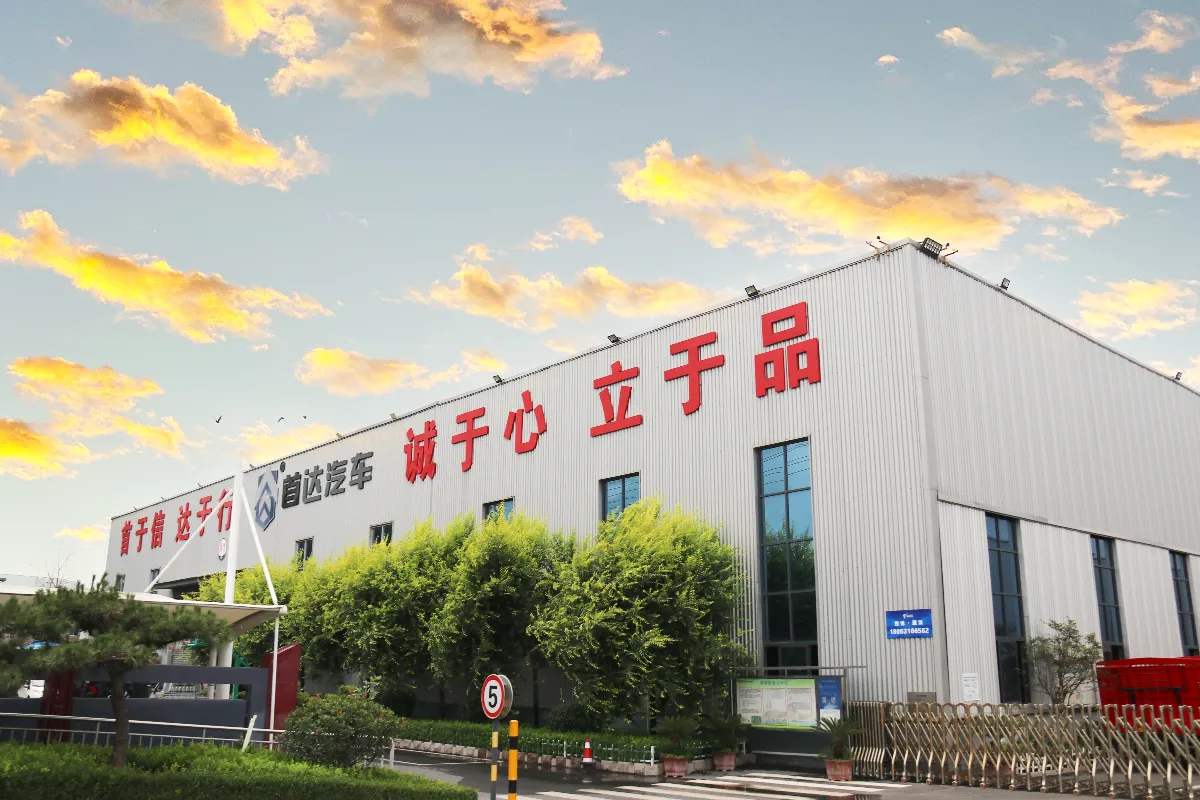
Founded in Mengyin, Shandong, Shodailer has spent more than ten years focused exclusively on semi-trailer design, R&D, production, and after-sales service. The company operates a production base of over 28,000 square meters, supported by more than 200 experienced workers and a production line that is roughly 70% automated, enabling consistent quality and faster turnaround on international orders.
Shodailer's products are certified under China's National CCC Certificate, ISO9001, and CE standards. The company has exported semi-trailers to more than 30 countries across Africa, Southeast Asia, and Latin America, and has served over 100,000 customers worldwide — a track record built on the same principles of reliability and long-term partnership that first brought Chinese engineering to the region half a century ago.

Shodailer's presence in East Africa goes well beyond one-off transactions. The company has built close, long-standing relationships with distributors, fleet operators, and importers across Tanzania, Zambia, and Kenya, with trade patterns often crossing borders — Kenyan customers, for example, routinely travel to Tanzania to place and collect orders directly through Shodailer's local supply channels, reflecting the trust the brand has earned across the region's trading corridors.
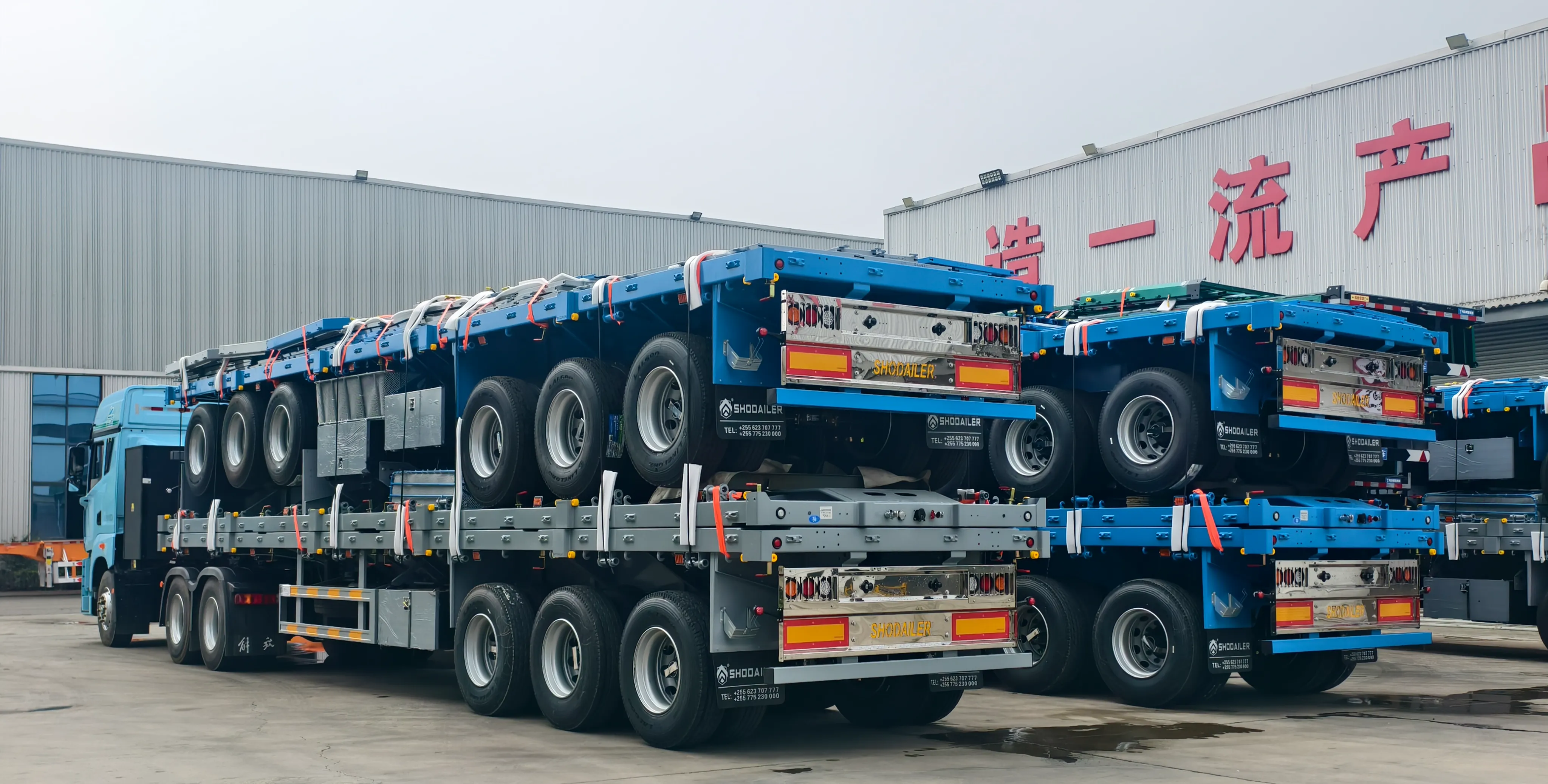
Tanzania has become a strategic hub for Shodailer's East Africa business. Much of the country's logistics network still relies on undeveloped or single-lane roads, placing heavy demands on transport equipment in terms of durability, load capacity, and adaptability. Shodailer has tailored its trailers to these exact conditions — including reinforced rear mud guards and anti-theft taillight housings designed for Tanzania's rainy season, along with componentry from established international brands such as WABCO braking systems and JOST landing legs, exceeding the average configuration standard typically seen in the local market.
From Tanzania, Shodailer's trailers move onward into Zambia and other neighboring markets — echoing the very corridor TAZARA once pioneered — supporting the freight routes that connect coastal ports to landlocked economies throughout the region.

Shodailer's product range includes Fence, Flatbed, Lowboy, Skeleton, Cargo, and Side/Rear Dump semi-trailers, engineered around a consistent principle: lightweight structure without sacrificing strength. Using ultra-high-strength alloy steel and a lightweight engineering approach, Shodailer trailers typically weigh 100–300 kg less than comparable trailers from other brands, improving fuel efficiency and lowering operating costs — a critical advantage in markets where fuel and maintenance expenses weigh heavily on transport margins.
The company's "Super Light Coal King" series illustrates this approach well: a trailer with a self-weight of just 4.86 tons capable of carrying up to 35.14 tons of cargo, offering transport operators — including those hauling coal, minerals, and bulk agricultural goods across Tanzania and Zambia — significantly improved payload efficiency.
Shodailer trailers also undergo rigorous testing under extreme road conditions, including cobblestone roads, Belgian block surfaces, and washboard-style rough tracks, to validate structural integrity and long-term reliability before reaching customers — testing regimes designed to reflect the real-world conditions found on many East African transport routes.
Looking Ahead
"Fifty years ago, Chinese railway workers built TAZARA by hand, through mountains and rivers, to connect Tanzania and Zambia and give this region a path to independent economic development," said a Shodailer company representative. "Today, our role is smaller in scale but built on the same foundation — showing up consistently, understanding local conditions, and building products that genuinely serve our partners in Tanzania, Zambia, and Kenya. We see our work in East Africa as part of a much longer story of cooperation between China and this region, and we're committed to being part of it for the long term."
With certified manufacturing quality, engineering tailored to local conditions, and an expanding network of regional partners, Shodailer continues to strengthen its role as a trusted semi-Trailer Supplier for logistics and transport operators across East Africa.
