

 Home
Home



Analysis of the Semi - Trailer Market
Current Market State
2.1 Market Size and Growth Trends
In recent years, the semi - Trailer market in Indonesia has shown a mixed growth pattern. In 2022, the Indonesian trailer and semi - trailer market experienced a significant upswing, increasing by 377% to reach a certain value (denoted as $x in market reports), marking the end of a three - year declining trend. However, overall consumption has still not fully recovered to its pre - 2013 levels, with the peak of consumption recorded in 2012.
In terms of volume, in 2022, the imports of Cargo Trailers and semi - trailers into Indonesia surged by 176% to x units, after two years of decline. This growth in imports indicates a rising domestic demand for semi - trailers. The import value also soared to
xin2022.Exports,ontheotherhand,decreasedby−34.3
x in 2022.
2.2 Market Segmentation
2.2.1 By Type
Dry Van Semi - Trailers: These are among the most commonly used semi - trailers in Indonesia. They are widely utilized for transporting non - perishable goods across the country. Given the large - scale distribution of consumer goods, fast - moving consumer goods (FMCG), and general merchandise, dry van semi - trailers are in high demand. Their enclosed design protects goods from weather elements and theft, making them a preferred choice for many logistics companies.
Refrigerated Semi - Trailers: With the growth of the food and beverage industry in Indonesia, the demand for refrigerated semi - trailers has been on the rise. These trailers are essential for transporting perishable items such as fresh produce, dairy products, and frozen foods. The expanding cold - chain infrastructure, driven by increasing consumer awareness of food safety and quality, is fueling the demand for refrigerated semi - trailers.
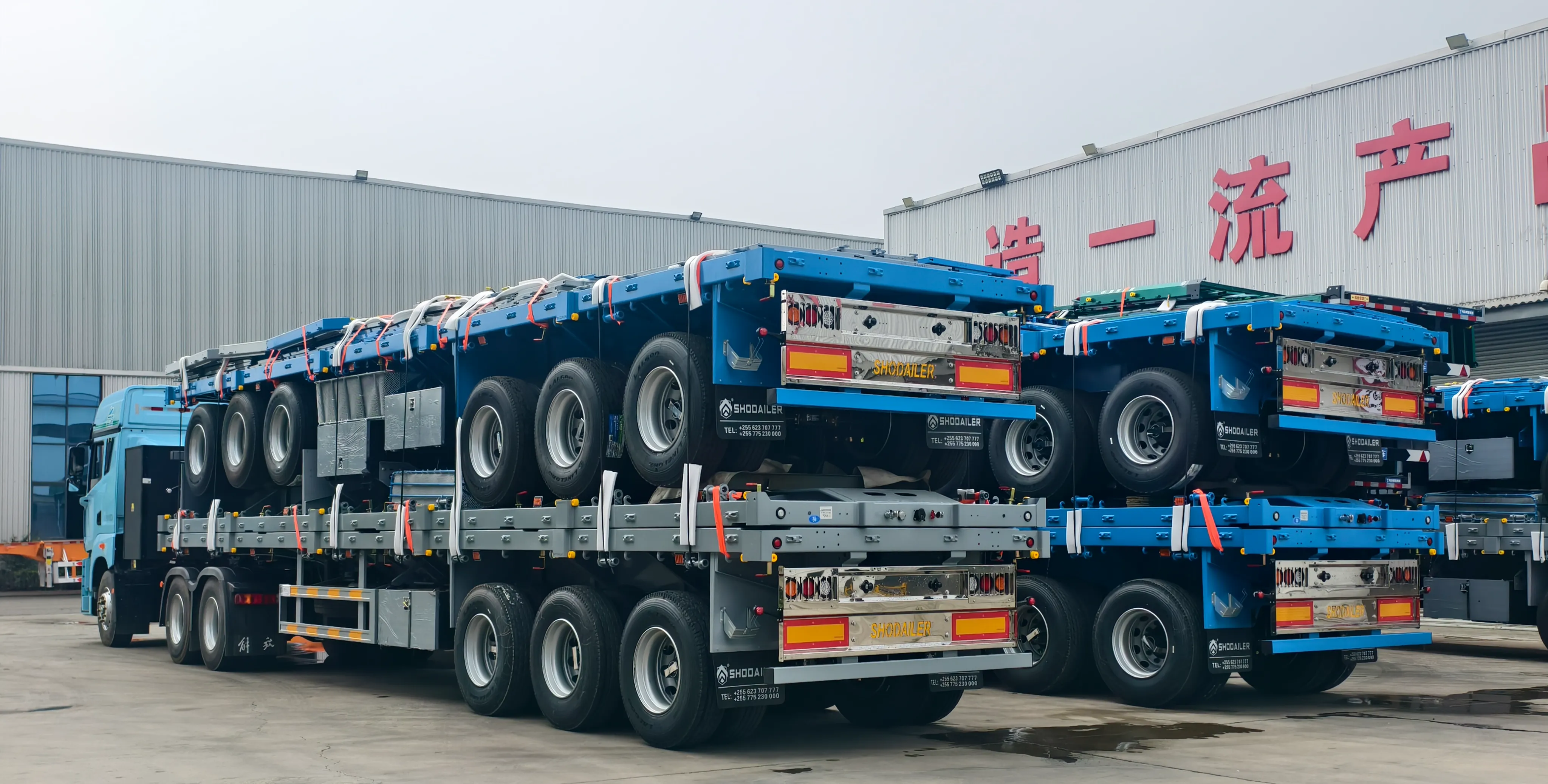
Flatbed and Lowboy Semi - Trailers: These types of semi - trailers are crucial for the construction and mining industries in Indonesia. They are used to transport heavy and oversized equipment, building materials like steel beams and large - sized machinery. The ongoing infrastructure development projects and the active mining activities in regions such as Sumatra and Kalimantan contribute to the demand for flatbed and lowboy semi - trailers.
2.2.2 By Ton - Capacity
The semi - trailer market in Indonesia can also be segmented based on ton - capacity. Light - duty semi - trailers (up to a certain tonnage) are popular for local and short - distance deliveries, especially in the e - commerce and small - business sectors. Medium - and heavy - duty semi - trailers, on the other hand, are essential for long - haul transportation of large - volume and heavy cargo, such as in the case of inter - island freight movement and large - scale industrial shipments.
2.3 Key Players and Market Share
International Players:
Mitsubishi Fuso: As part of the Daimler Truck group, Mitsubishi Fuso has a strong presence in the Indonesian market. It offers a wide range of trucks and semi - trailers, known for their reliability and fuel efficiency. The company has an extensive dealer and service network across Indonesia, which has helped it capture a significant market share.
Isuzu: Isuzu is another well - established Japanese brand in Indonesia. It focuses on producing trucks and semi - trailers with high - quality engines and durable chassis. Isuzu's products are popular among logistics companies and are often used for urban and inter - city transportation.
Hino: Hino, a Toyota Group company, has a reputation for manufacturing reliable and efficient commercial vehicles, including semi - trailers. Its products are well - suited for various applications, from light - duty urban deliveries to heavy - duty long - haul transportation.
Domestic Players: There are also some domestic players in the Indonesian semi - trailer market. These local manufacturers often focus on producing more affordable semi - trailers, catering to the price - sensitive segments of the market. While they may not have the same level of brand recognition as international players, they play an important role in meeting the diverse needs of the domestic market, especially in rural and less - developed areas.
3. Growth Drivers
3.1 Infrastructure Development
The Indonesian government has been actively investing in infrastructure development projects. These include the construction of new roads, bridges, and ports across the country. The Trans - Sumatra Toll Road project, for example, aims to improve connectivity on the island of Sumatra, which is a major economic hub in Indonesia. Such infrastructure improvements not only make transportation more efficient but also increase the demand for semi - trailers. As new roads are built, it becomes easier to transport goods over longer distances, leading to a higher need for semi - trailers to carry large volumes of cargo.
3.2 Growing E - commerce and Logistics Industry
The e - commerce sector in Indonesia has been growing at an exponential rate in recent years. With the increasing penetration of the internet and the growing number of smartphone users, more and more consumers are turning to online shopping. This has led to a surge in the demand for efficient logistics and transportation services. Semi - trailers are an essential part of the logistics supply chain, as they are used to transport large quantities of goods from warehouses to distribution centers and then to the end - consumers. The need for fast and reliable deliveries in the e - commerce industry is driving the growth of the semi - trailer market.
3.3 Expansion of Key Industries
Agriculture: Indonesia is an agricultural powerhouse. The agricultural sector produces a wide variety of products, including palm oil, rubber, coffee, and rice. These products need to be transported from farms to processing plants and then to domestic and international markets. Semi - trailers are used to carry large volumes of agricultural products, and the expansion of the agricultural industry is fueling the demand for these trailers.
Mining: Indonesia is rich in natural resources, and the mining industry is a significant contributor to the country's economy. Minerals such as coal, nickel, and copper need to be transported from mining sites to ports for export. Heavy - duty semi - trailers are required to transport these large - volume and heavy - weight minerals, and the growth of the mining industry is a major driver for the semi - trailer market.
4. Challenges
4.1 High Initial Investment and Operational Costs
The purchase of semi - trailers requires a significant upfront investment. The cost of a new semi - trailer can be quite high, especially for high - quality international brands. Additionally, operational costs such as fuel, maintenance, and driver salaries are also substantial. For small and medium - sized logistics companies in Indonesia, these high costs can be a barrier to entry or expansion in the market. The cost of maintenance is particularly high due to the need for regular servicing of the trailers to ensure their safety and optimal performance.
4.2 Regulatory and Policy Hurdles
The Indonesian government has a complex set of regulations and policies governing the transportation industry. These include regulations related to vehicle safety, emissions, and licensing. Complying with these regulations can be challenging and time - consuming for semi - trailer operators. For example, new emissions standards may require operators to upgrade their trailers or engines, which can be costly. Additionally, the process of obtaining the necessary licenses and permits can be bureaucratic and may involve multiple government agencies.
4.3 Competition from Alternative Modes of Transportation
In some parts of Indonesia, especially in areas with well - developed waterways or railway networks, alternative modes of transportation such as sea freight and rail freight pose competition to the semi - trailer industry. Sea freight is often more cost - effective for long - distance transportation of large volumes of goods, especially for inter - island shipping. Rail freight, where available, can also offer a more efficient and environmentally friendly alternative for transporting cargo. This competition can limit the growth potential of the semi - trailer market in certain regions or for certain types of cargo.
5. Future Prospects
5.1 Market Growth Projections
Despite the challenges, the semi - trailer market in Indonesia is expected to grow in the coming years. Market research forecasts suggest that the market will continue to expand, driven by the ongoing infrastructure development, the growth of the e - commerce and logistics sectors, and the expansion of key industries. The compound annual growth rate (CAGR) of the semi - trailer market in Indonesia is projected to be in the range of [X]% in the next few years, with the market value expected to reach [X] by a certain year.
5.2 Technological Advancements
Smart and Connected Semi - Trailers: The future of the semi - trailer market in Indonesia is likely to see the increasing adoption of smart and connected technologies. IoT (Internet of Things) sensors can be installed in semi - trailers to monitor various parameters such as cargo condition, tire pressure, and the location of the trailer in real - time. This data can be used to optimize logistics operations, improve safety, and reduce maintenance costs.
Lightweight Materials: The use of lightweight materials such as aluminum and composite materials in the construction of semi - trailers is expected to increase. Lightweight trailers offer several advantages, including improved fuel efficiency, reduced emissions, and increased payload capacity. As fuel prices remain a concern and environmental regulations become more stringent, the adoption of lightweight materials will be an important trend in the industry.
Alternative Fuel - Powered Semi - Trailers: With the global push towards reducing carbon emissions, there is a growing interest in alternative fuel - powered semi - trailers. Electric and hydrogen - powered semi - trailers are being explored as more sustainable alternatives to traditional diesel - powered trailers. In Indonesia, as the government promotes clean energy initiatives, the adoption of alternative fuel - powered semi - trailers may increase in the long - term.
5.3 Emerging Opportunities
Last - Mile Delivery Solutions: The growth of e - commerce has led to an increased focus on last - mile delivery. Semi - trailers can play a role in last - mile delivery by transporting goods from distribution centers to local delivery hubs. There is an opportunity for semi - Trailer Manufacturers and operators to develop specialized trailers and logistics solutions for last - mile delivery, such as smaller - sized trailers that are more maneuverable in urban areas.
Cold - Chain Expansion: As consumer demand for fresh and safe food products continues to grow, there is a need for further expansion of the cold - chain infrastructure in Indonesia. This presents an opportunity for the refrigerated semi - trailer segment of the market. There is potential for investment in advanced refrigeration technologies and the development of a more comprehensive cold - chain network, which will require an increased number of refrigerated semi - trailers.
6. Conclusion
The semi - trailer market in Indonesia is at a crucial juncture. While it has faced challenges in the past, the current growth drivers, such as infrastructure development, the expansion of e - commerce and key industries, are expected to propel the market forward in the future. However, to fully realize its growth potential, the industry needs to address the challenges it faces, including high costs, regulatory hurdles, and competition from alternative modes of transportation. By embracing technological advancements and exploring emerging opportunities, the semi - trailer market in Indonesia can position itself for sustainable growth and contribute significantly to the country's transportation and logistics sector.