

 Home
Home


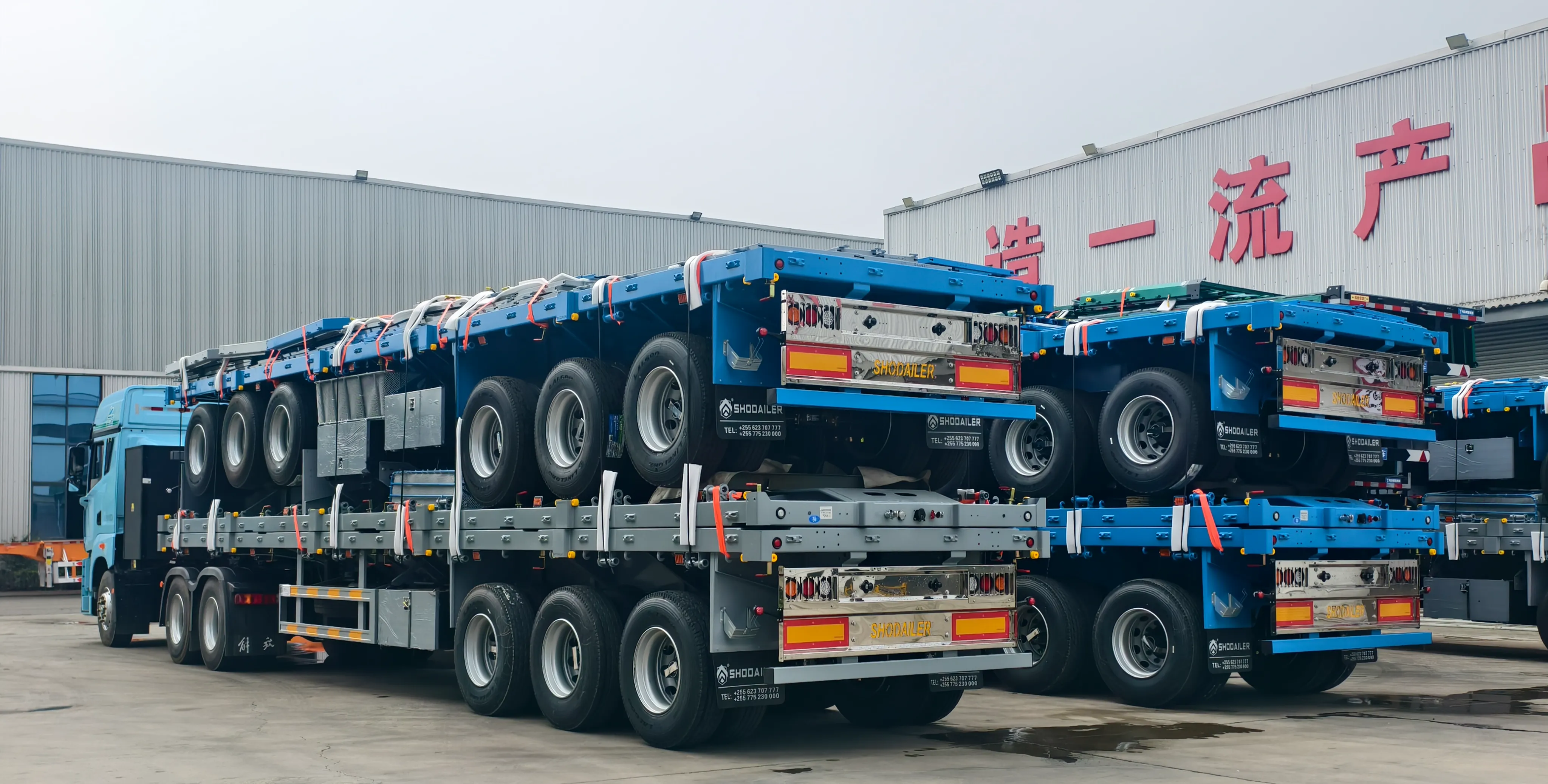


Common Faults and Maintenance of Semi-Trailer Engines
I. Common Manifestations and Causes of Engine Faults
1. Difficulty in Starting the Engine:
- Manifestation: The engine is hard to start when the start button is pressed, and there may be abnormal starting sounds or prolonged starting times.
- Cause: This could be due to insufficient battery power, a faulty starter motor, inadequate fuel supply, or a clogged engine intake system.
2. Engine Vibration:
- Manifestation: The engine vibrates during idling or while driving.
- Cause: This may be caused by fuel injection system faults, poor spark plug performance, excessive engine carbon buildup, or loose engine mounts.
3. Black Smoke from the Engine:
- Manifestation: The exhaust pipe emits a large amount of black smoke.
- Cause: This is usually due to incomplete fuel combustion, such as excessive fuel injection, a clogged intake system, or engine cylinder wear.
4. Insufficient Engine Power:
- Manifestation: The vehicle accelerates slowly and lacks power when climbing hills.
- Cause: This could be due to fuel system faults, a clogged intake system, insufficient engine cylinder pressure, or engine control system faults.
5. Abnormal Engine Noise:
- Manifestation: The engine produces abnormal sounds, such as knocking or whistling noises, during operation.
- Cause: This may be due to wear of internal engine components, insufficient lubrication, or loose engine belts.
II. Repair Methods for Engine Faults
1. Insufficient Battery Power:
- Check the battery voltage. If it is below the standard value, the battery needs to be charged or replaced.
2. Fuel System Faults:
- Check if the fuel filter is clogged. If it is, the filter needs to be replaced.
- Check if the fuel pump is working properly. If not, it needs to be repaired or replaced.
3. Spark Plug Faults:
- Check if the spark plugs are carbonized or damaged. If there are any issues, clean or replace the spark plugs.
4. Engine Carbon Buildup:
- Use engine cleaner to clean the engine and remove carbon deposits.
5. Loose Engine Belts:
- Check the tension of the belts. If they are loose, adjust the belt tension or replace the belts.
III. Cost of Engine Fault Repairs (Reference Range in China, Converted to USD)
The repair costs for different engine faults vary depending on the vehicle model, type of fault, region, and the grade of the repair shop. Here are some approximate repair cost ranges for common engine faults for reference:
1. Battery Replacement:
- Cost Range: 500-2000 yuan, approximately 70 to 280.
2. Fuel Pump Replacement:
- Cost Range: 1000-3000 yuan, approximately 140 to 420.
3. Spark Plug Replacement:
- Cost Range: Each spark plug costs between 50 and 200 yuan. Replacing a set (usually 4 to 6) costs about 300 to 1200 yuan, approximately 42 to 170.
4. Engine Cleaning:
- Cost Range: 300-800 yuan, approximately 42 to 112.
5. Engine Belt Replacement:
- Cost Range: 500-1500 yuan, approximately 70 to 210.
Please note that the above cost ranges are for reference only. The actual cost will depend on the specific vehicle model, region, and repair shop. When repairing the engine, it is important to choose a repair shop with professional qualifications and a good reputation to ensure repair quality and driving safety.
---
IV. Self-Diagnosis for Engine Faults
If you wish to perform your own engine repairs, you can start with the following simple checks:
1. Initial Diagnosis:
- Observe the vehicle's performance (e.g., unusual noises, lack of power, increased fuel consumption).
- Use an OBD-II code reader to check for error codes.
- Conduct a basic visual inspection (e.g., check for oil leaks, spark plug condition).
2. Basic Troubleshooting:
- Check if the battery is fully charged.
- Check if the fuel filter is clogged.
- Check if the spark plugs are carbonized or damaged.
- Check if the engine belts are loose.
3. Complex Faults:
- If the initial diagnosis does not clarify the issue, or if the problem is complex, it is recommended to take the vehicle to a professional repair shop for further inspection.
---
V. Tools Needed for Self-Repairs
If you decide to tackle engine repairs yourself, you will need the following tools:
1. Diagnostic Tools:
- OBD-II Scanner: To read vehicle error codes and quickly identify issues.
2. Basic Tools:
- Wrenches: Including adjustable wrenches, socket wrenches, and ratchet wrenches for removing bolts and nuts.
- Screwdrivers: Both Phillips and flathead screwdrivers for disassembling screws.
- Jack: To lift the vehicle for easy access to components.
3. Repair Tools:
- Spark Plug Socket: For removing and installing spark plugs.
- Fuel Pressure Gauge: To check the working condition and pressure of the fuel system.
- Ignition System Tester: To check the condition of spark plugs and the operation of ignition coils.
4. Safety Tools:
- Gloves and Goggles: To protect your hands and eyes from injury.
- Fire Extinguisher: In case of any accidents.
5. Auxiliary Tools:
- Flashlight: To inspect detailed areas within the engine compartment.
- Reflective Warning Signs: To place when parking on the roadside to alert other vehicles.
---
By following the above methods and using the appropriate tools, you can perform basic checks and repairs on your engine to ensure your vehicle runs safely. If you encounter complex issues, it is advisable to seek the help of professional mechanics.