

 Home
Home



Somalia's Trailer and Semi-Trailer Market: Growth Trends, Drivers, and Development Path
2025-08-30
In terms of market usage:
I. Light-duty Trailers dominate the market at 55%, primarily used for agricultural product transportation (maize, sorghum, livestock feed) and rural-to-urban cargo movement, as well as short-distance transport of fisheries products (fish, shrimp) from coastal villages to port cities;
II. Medium-duty trailers account for 30%, focusing on cross-border freight with Ethiopia, Kenya, and Djibouti (transporting consumer goods, fertilizers, and construction materials) and regional distribution of humanitarian aid;
III. Heavy-duty semi-trailers (15%) are mainly used for port container logistics (Port of Mogadishu, Port of Berbera) and bulk transport of construction materials for infrastructure reconstruction projects;
IV. Approximately 80% of operational trailers are imported, with 55% being second-hand units (aged 6-10 years). This high proportion of used equipment reflects limited financial resources among local transporters and challenges in accessing new equipment due to import logistics complexities;
V. Key usage regions are concentrated in the coastal economic belt (Mogadishu, Berbera, Kismayo), agricultural hubs (Hiran, Middle Shabelle), and border trade zones (Wajir border with Kenya, Tog Wajaale border with Ethiopia), with peak-season trailer utilization rates reaching 70% during the agricultural harvest (November-February) and fisheries peak (June-September).
I. Growth Drivers
A. Agricultural Revival and Food Security Initiatives
Agriculture, which employs 65% of Somalia’s population and contributes 20% of GDP, is a core driver of light-duty trailer demand:
I. Cereal production: With improved rainfall and humanitarian aid support, maize and sorghum production grew by 16% in 2023, driving demand for light-duty covered trailers to protect grains from moisture during transport from inland farms (e.g., in Hiran) to urban markets in Mogadishu and Beledweyne;
II. Livestock-related transport: Livestock (sheep, goats, cattle) is a key livelihood for pastoral communities, and the transport of livestock feed and processed animal products (hides, meat) increased by 14% in 2023, boosting demand for medium-duty trailers with reinforced floors to handle heavy loads;
III. Food aid distribution: International organizations (e.g., WFP) distributed 1.2 million metric tons of food aid in 2023, requiring over 100 medium-duty trailers to transport aid from ports and border crossings to rural areas affected by drought and conflict.
B. Fisheries Export Expansion and Coastal Logistics
Somalia’s 3,333 km coastline supports a vibrant fisheries sector, which has become a key export industry, driving trailer demand for coastal logistics:
I. Fisheries exports: Fresh and frozen fish exports to the Middle East and East Africa reached $180 million in 2023, a 22% year-on-year increase. This drove demand for light-duty refrigerated trailers (modified from basic light-duty trailers) to maintain product freshness during transport from coastal fishing villages to processing plants in Mogadishu and Berbera;
II. Port upgrades: The rehabilitation of the Port of Berbera (supported by UAE investment) and the expansion of the Port of Mogadishu’s cargo terminal increased coastal freight volume by 25% in 2023, fueling demand for medium-duty trailers to transport processed fisheries products and imported goods to inland areas.
C. Cross-Border Trade and Humanitarian Logistics
Cross-border trade with neighboring countries and humanitarian aid operations are critical drivers of medium-duty trailer demand:
I. Cross-border trade volume: Trade with Ethiopia (Somalia’s largest trading partner) reached $450 million in 2023, with 60% of goods (including consumer goods, textiles, and fertilizers) transported by medium-duty trailers via the Tog Wajaale border crossing;
II. Trade with Kenya and Djibouti: Trade with Kenya (mainly livestock and agricultural products) grew by 15% in 2023, while trade with Djibouti (focused on transit goods via the Port of Djibouti) increased by 18%, both driving demand for reliable medium-duty trailers;
III. Humanitarian logistics: Over 5 million Somalis required humanitarian assistance in 2023, and the transport of medical supplies, shelter materials, and water purification equipment relied heavily on medium-duty trailers, with aid organizations expanding their trailer fleets by 12% in 2023.
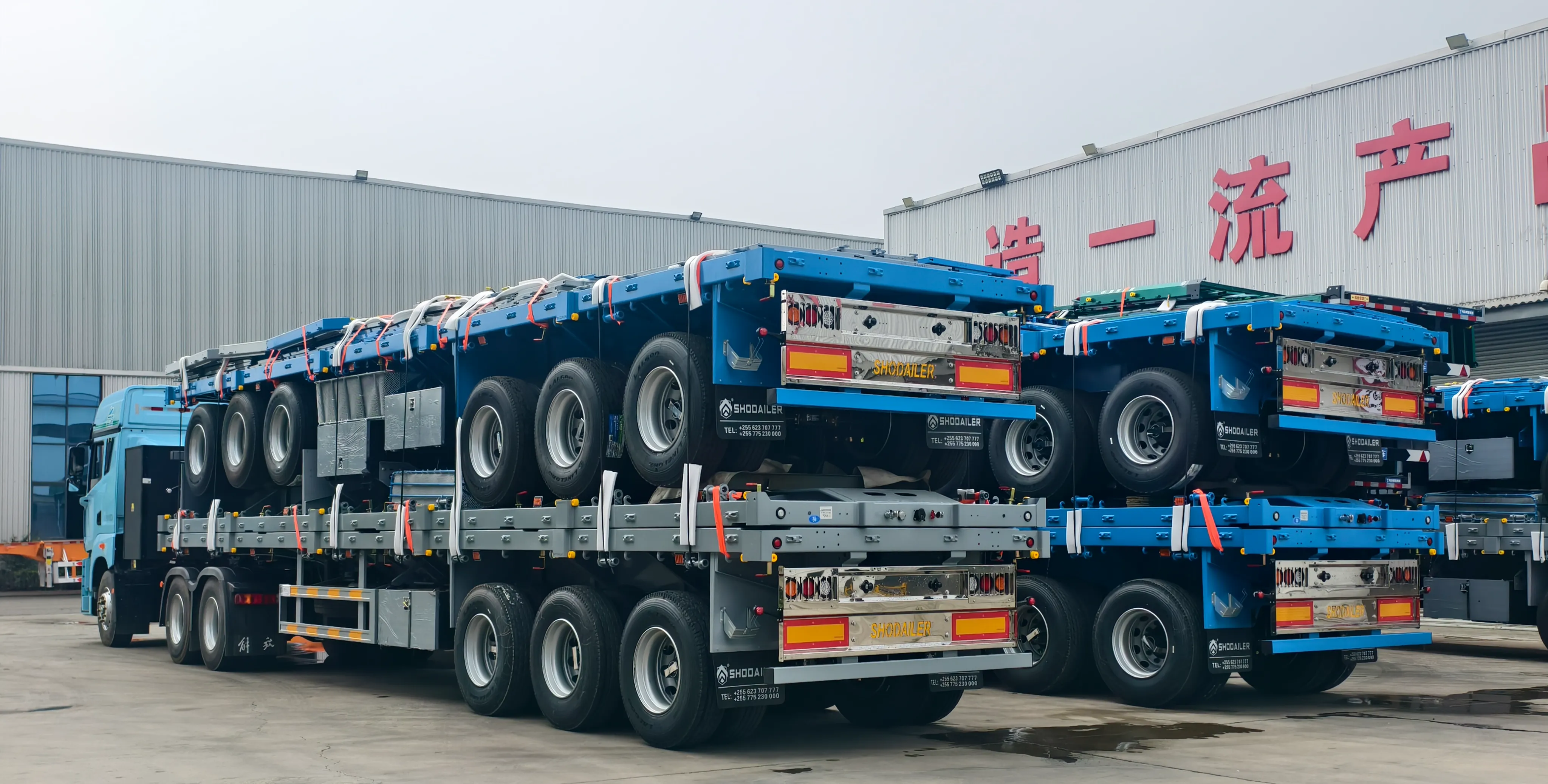
Our company, a global provider of durable, adaptable trailers, aligns with Somalia’s unique market needs. With decades of R&D experience, a 30+ member technical team, and advanced production lines, our trailers are engineered to withstand Somalia’s challenging conditions—including unpaved rural roads, coastal humidity, and heavy dust. Our fence-type semi-trailers, ideal for agricultural, fisheries, and general cargo transport, are designed for easy maintenance and durability, making them suitable for local operational needs. Explore more at https://www.shodailer.com/fence-type-semi-trailer/.

II. Commitment to Regulatory Compliance
We recognize the importance of adhering to Somalia’s import regulations and international trade standards (given the country’s evolving regulatory framework). Our company is fully committed to cooperating with local authorities, humanitarian organizations, logistics enterprises, and clients to ensure smooth market access, including:
- Providing complete technical documentation (manufacturer certificates, quality test reports) and international certifications (ISO9001, 3C) to meet the requirements of Somali customs and international aid agencies;
- Offering tailored modifications to adapt to local conditions, such as reinforced tires for unpaved roads, corrosion-resistant coatings for coastal areas, and simplified maintenance designs to address skill shortages;
- Assisting with import logistics coordination (in partnership with local clearing agents) to navigate challenges related to port operations and border crossings, ensuring timely delivery of equipment.
For port logistics and bulk construction material transport, our skeleton semi-trailers are designed for reliability and efficiency, even in limited infrastructure conditions. Learn more at https://www.shodailer.com/skeleton-semi-trailer/.
III. Challenges and Development Paths
A. Key Market Challenges
I. Infrastructure deficits: Only 10% of Somalia’s roads are paved, with rural and border areas relying on unpaved tracks that become impassable during the rainy season (April-June, October-November). This leads to high trailer wear, frequent breakdowns, and average annual downtime of 60 days;
II. Financial and import barriers: New light-duty trailers cost 20,000, while medium-duty trailers range from 35,000—prohibitive for most local transporters. Additionally, import delays due to port inefficiencies and customs complexities increase costs by 15-20%;
III. Skill shortages and maintenance gaps: There are fewer than 5 professional trailer repair centers nationwide (all in Mogadishu and Berbera), and most mechanics lack training in modern trailer systems (e.g., basic refrigeration units, brake maintenance), leading to prolonged repair times;
IV. Security risks: Ongoing conflict in some regions disrupts transport routes, with 20% of trailer operators reporting delays or cargo loss due to security incidents in 2023.
B. Solutions and Industry Initiatives
I. Humanitarian and international support: Organizations like the World Bank and UNDP have provided $50 million in grants to upgrade key transport routes (e.g., Mogadishu-Berbera Highway) and subsidize Trailer Purchases for local logistics companies, with 80 new light-duty trailers distributed in 2023;
II. Skill development programs: The Somali Logistics Association, in partnership with international NGOs, trained 60 local mechanics in 2023, focusing on basic trailer maintenance, tire repair, and emergency breakdown handling;
III. Our company’s local support: We provide simplified maintenance guides, remote technical support via WhatsApp and phone, and spare parts kits tailored to Somalia’s needs (e.g., high-wear components like tires and brake pads) through local partners in Mogadishu, reducing maintenance delays by 30%;
IV. Security-adapted solutions: We offer trailer designs with basic security features (e.g., lockable cargo compartments) to minimize cargo loss risks, aligning with the needs of transporters operating in high-risk areas.
Somalia Trailer Market 2025 Outlook: Recovery-Driven Growth and Humanitarian Logistics
By 2025, Somalia’s trailer market is projected to grow to Somali shilling x, with a 9% compound annual growth rate (CAGR). This growth will be driven by continued agricultural revival, fisheries export expansion, infrastructure reconstruction, and sustained humanitarian aid operations. Key trends include:
IV. Demand Growth Drivers
A. Agricultural and Fisheries Expansion
I. Cereal production is expected to grow by 18% by 2025, driven by improved agricultural inputs and irrigation projects, requiring 150+ additional light-duty covered trailers;
II. Fisheries exports are projected to reach $250 million by 2025, boosting demand for 80+ light-duty refrigerated trailers to meet export quality standards;
III. The government’s "Livestock Value Chain Program" will increase processed livestock product transport by 20%, driving demand for medium-duty trailers with temperature control features.
B. Port and Infrastructure Reconstruction
I. The completion of the Port of Berbera’s new container terminal (2024) will increase cargo throughput by 40%, driving demand for 50+ medium-duty and heavy-duty trailers for port-inland transport;
II. Reconstruction of key roads (Mogadishu-Kismayo, Berbera-Hargeisa) will improve regional connectivity, increasing trailer utilization rates by 15% and driving demand for durable medium-duty trailers.
C. Humanitarian and Cross-Border Trade Growth
I. Humanitarian aid operations are expected to remain stable through 2025, with aid organizations planning to expand their trailer fleets by 15%, requiring 70+ medium-duty trailers;
II. Cross-border trade with Ethiopia and Kenya is projected to grow by 22% by 2025, driven by improved border infrastructure, boosting demand for 100+ medium-duty trailers.
V. Technological Upgrades and Market Evolution
I. Basic durability enhancements: Trailers with reinforced frames, all-terrain tires, and corrosion-resistant coatings will become mainstream, as operators prioritize equipment that can withstand Somalia’s harsh conditions;
II. Simplified maintenance designs: Manufacturers will focus on trailers with fewer complex components and easy-to-source spare parts, reducing maintenance challenges;
III. Humanitarian-focused adaptations: Trailers designed for multi-purpose use (e.g., transporting both aid supplies and commercial goods) will gain traction, maximizing efficiency for aid organizations and local transporters.
VI. Building a Resilient Logistics Ecosystem
I. Financial support expansion: International organizations will launch "trailer lease programs" for local SMEs, allowing 40% more operators to access new equipment by 2025;
II. Maintenance network development: 4 new regional maintenance centers will open by 2025 (covering Hargeisa, Kismayo, and Beledweyne), supported by NGO funding, reducing average maintenance response time from 72 hours (2023) to 36 hours;
III. Security collaboration: Logistics companies will partner with local security providers to establish secure transport corridors, reducing cargo loss rates by 25% and improving trailer operational efficiency.
Future Outlook
Somalia’s trailer market is in the early stages of recovery, with growth closely tied to the country’s broader stability and economic revival. While challenges like infrastructure deficits and security risks remain, continued agricultural and fisheries growth, port upgrades, and humanitarian support will drive steady demand. Over the next five years, the market will shift from "basic survival transport" to "more efficient, durable logistics," supporting rural livelihoods, export growth, and post-conflict reconstruction.
For tailored trailer solutions that meet Somalia’s agricultural, fisheries, and humanitarian logistics needs, contact us:
I. Explore our products: https://www.shodailer.com/fence-type-semi-trailer/ (agricultural/fisheries/general cargo) and https://www.shodailer.com/skeleton-semi-trailer/ (port/bulk transport)
II. Call or WhatsApp: +86 19015490301
We are dedicated to supporting Somalia’s logistics recovery with reliable, durable, and locally adaptable trailer solutions!